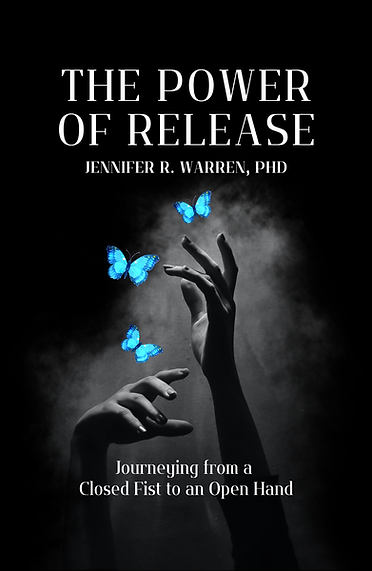
The Power of Release is a book for people who have adapted, endured, and still sense that something essential has been constrained beneath the life they have learned to carry. Rather than offering a quick fix, the book gives readers a language for patterned holding, a deeper understanding of identity under pressure, and a way to approach purpose through release rather than force.
Dr. Akila Ka Ma'at published under her given name.

What This Book Is (and Is Not)
The Power of Release is:
-
A framework for understanding why effort, achievement, and control often fail to produce fulfillment
-
A practice-based philosophy rooted in lived experience, scholarship, and spiritual insight
-
A guide for those navigating identity shifts, burnout, transition, or quiet inner dissonance
This book is not:
-
A motivational manifesto
-
A quick-fix self-help promise
-
A set of rules for how to live
Instead, it offers a different orientation:
What happens when you stop gripping—and learn how to stay open?
The Core Insight
Purpose does not respond to force.
It responds to space.
When life is lived in a constant clench—of roles, expectations, urgency, or survival—there is no room for inner direction to surface. Release is the act of restoring that room.
Through metaphor, story, and reflection, The Power of Release explores:
-
Why we learn to clench in the first place
-
How identity becomes armor
-
Why letting go often brings grief before clarity
-
How purpose emerges through resonance, not striving
-
What it means to live with an open hand in daily life
This is the inner architecture behind the work of Power Prophet.
Who This Book Is For
This book is for people who:
-
Feel successful but disconnected
-
Are navigating transition, burnout, or identity loss
-
Sense that “more effort” is no longer the answer
-
Want a grounded, spiritually literate language for meaning and purpose
-
Are ready to stop forcing and start listening
You do not need to share a particular belief system to resonate with this work. The experience of holding too tightly—and longing for relief—is universal.